

Roald Dahl Books In Order
-
-
-
-
-
-
-
-
-
-
-
-
-
-
-

-
-
-
-
-
-
-
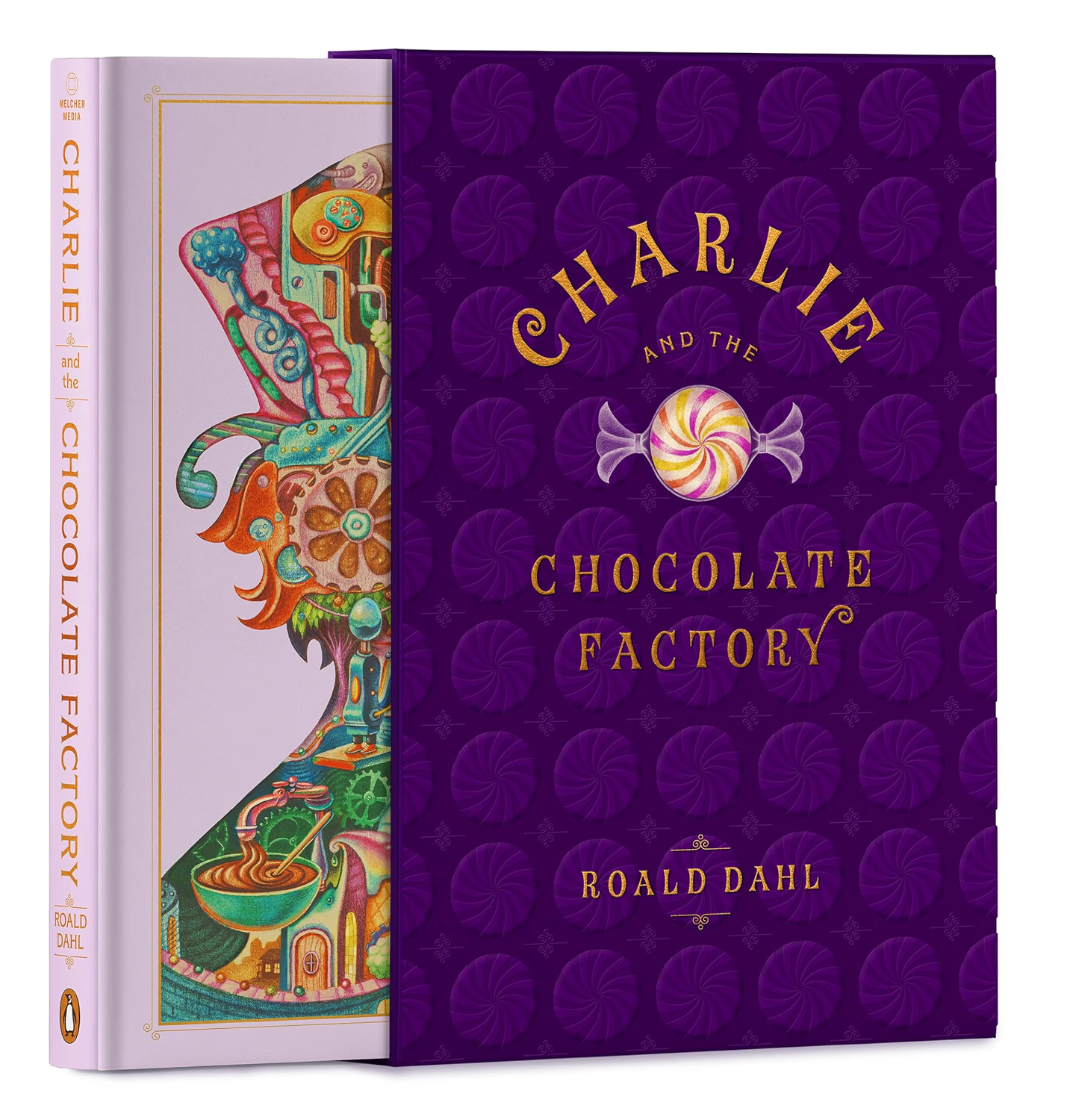
Charlie and the Chocolate Factory: A Very Special Edition
[ October, 2026 ]


About Roald Dahl
Genres
Roald Dahl Bio
One of the most imaginative and loved British writers, and storytellers, of the twentieth century, Roald Dahl was known for his distinctive voice, dark humour and unforgettable characters.
Roald Dahl was born on 13 September 1916 in Llandaff, Cardiff, Wales, to Norwegian immigrant parents. When he was three years old, his older sister and father died within weeks of each other, a tragedy that deeply affected his childhood. His early life and childhood experiences played a big role in shaping his future writing.
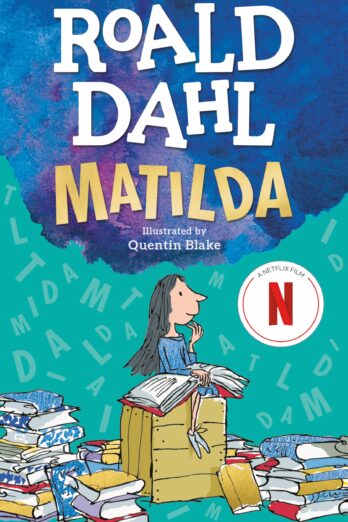
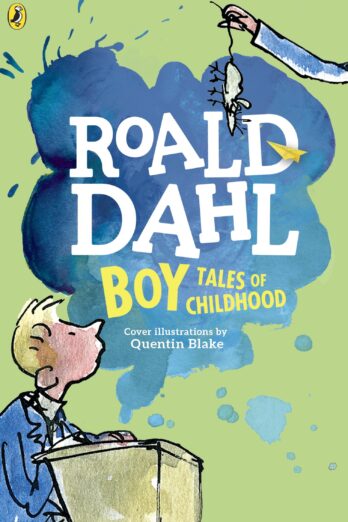
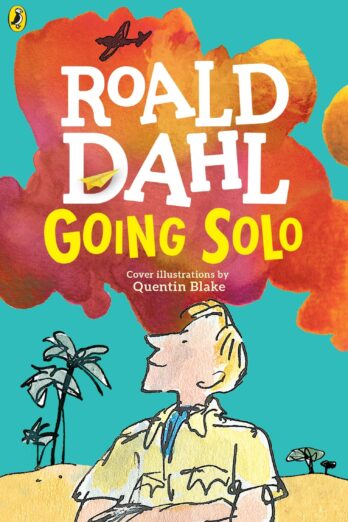
Dahl recounted many of these formative years and adventures in his autobiography, Boy: Tales of Childhood. His strict school upbringing, mischievous behaviour, hardship and time in the war inspired elements of many of his books, particularly Matilda. Dahl’s legacy as a children’s author is marked by his impact on children’s literature and his unique storytelling style.
Early years as a fighter pilot
Roald Dahl wasn’t seen as a particularly talented writer throughout school. One of his teachers apparently wrote in a school report that they had never met anyone who persistently wrote words meaning the exact opposite of what they intended.
After finishing school, he worked for the Royal Dutch Shell Oil company, which took him to East Africa, supplying oil to customers primarily for farm and aircraft equipment. When World War II broke out, Dahl joined the Royal Air Force (RAF) and served as both a fighter pilot and an intelligence officer.
In 1940, while flying with 80 Squadron, he was seriously injured in a crash landing in the Libyan desert after being ordered to fly from Egypt to Libya and unable to find the airfield, hitting a large boulder. This resulted in a fractured skull and several other injuries, including loss of eyesight for a period of time. He spent a long recovery in a Royal Navy hospital.
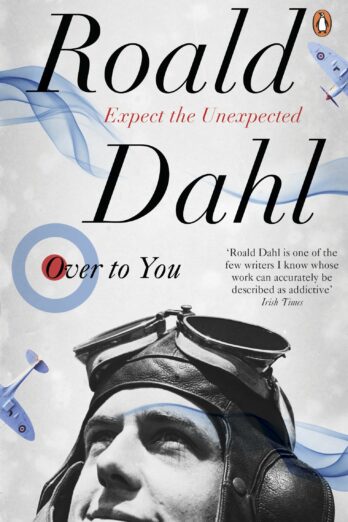
Roald Dahl drew on his experiences, friends and colleagues in his book Over to You, talking about the reality of a pilot’s existence and the possibility of death each day.
Personal life
Roald Dahl had a fulfilling and in ways, devastating personal life outside of his writing and time spent in the RAF. He was married to American actress Patricia Neal from 1953 until their divorce in 1983. The father of five children, four daughters and one son, he lost his first daughter to measles at the age of 7. His son suffered a brain injury when his baby carriage was hit by a taxi at four months old, leaving him with many injuries including hydrocephalus.
Dahl’s daughters have followed in similar creative footsteps. Lucy Dahl is an actress and writer, and Tessa Dahl is a British author and former actress. Ophelia Dahl is a British-American social justice and health care advocate, while his son Theo lives a quiet life in Naples.
Roald Dahl is also the grandfather to writer and former British fashion model Sophie Dahl and writer, producer and director Chloe Dahl.
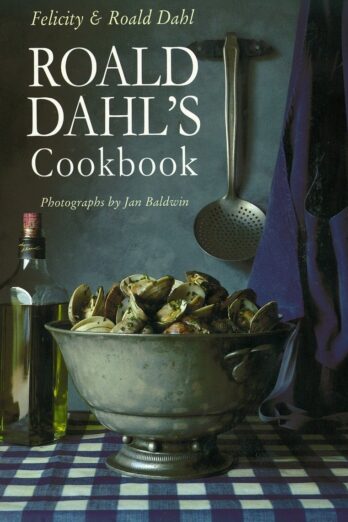
During his last year, he compiled a book of anecdotes and recipes with his second wife, Liccy Dahl, called Roald Dahl’s Cookbook.
Dahl died on 23 November 1990 at the age of 74 from a rare blood cancer in Oxford, England.
Writing and inspiration
It is said Roald Dahl wrote for about four hours a day, sitting on a comfy armchair in a small hut in his garden. He used a specially designed writing board which sat on his lap, and wrote only using pencil and yellow paper. This daily routine was central to Dahl’s writing process and contributed to the unique qualities found in Dahl’s works.
On a table close by was a collection of all sorts including a variety of things sent to him by fans and children, a ball of silver paper made from bars of chocolate he had collected since young, and a part of his hip bone that had been removed.
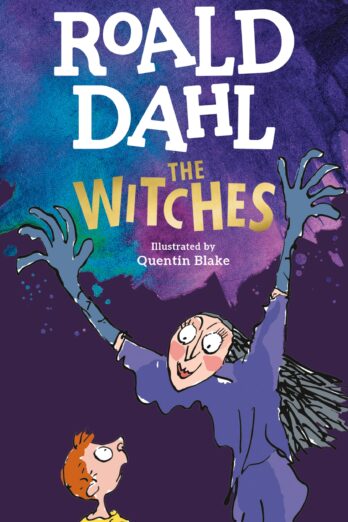
Dahl’s writing drew inspiration from around him. The Helga, Luke’s grandmother in The Witches is said to be based on Dahl’s own Norwegian grandmother, a tough and fearless woman. In Beware of the Dog, a fighter pilot is shot down during war and loses one of his legs. Although not autobiographical, it is based on Dahl’s WWII experiences. Dahl’s writing style is known for its dark humor, inventive language, and memorable characters, which have made Dahl’s works enduringly popular across generations.
Literary contributions
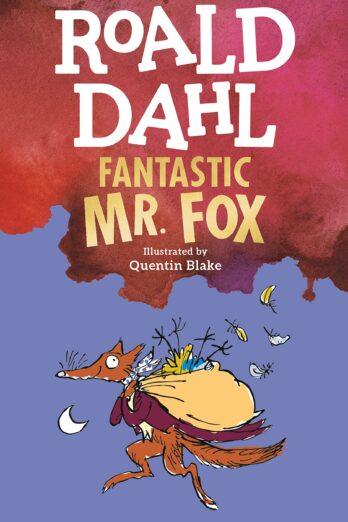
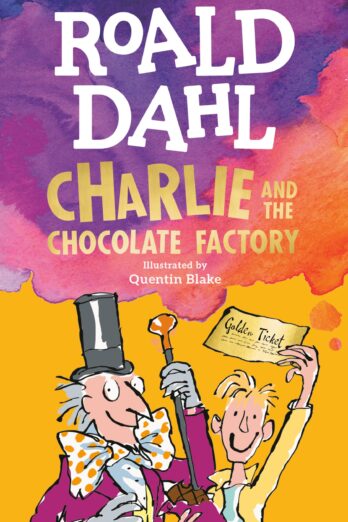
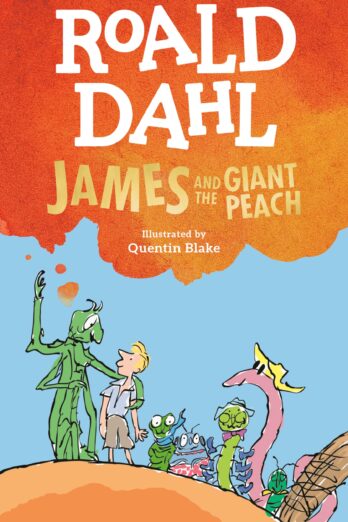
Roald Dahl’s literary legacy is defined by his extraordinary ability to captivate young readers and adults alike with stories that blend magic, mischief, and a touch of the macabre. As a British writer and celebrated children’s author, Dahl’s classic collection of books, including Charlie and the Chocolate Factory, Fantastic Mr Fox, and James and the Giant Peach, has become a cornerstone of children’s literature, enchanting generations with unforgettable characters and imaginative plots.
Dahl’s writing stands out for its clever wordplay, darkly comic tone, and the way he turns everyday situations into extraordinary adventures. Whether it’s the wild escapades inside a chocolate factory with Willy Wonka and Augustus Gloop, the cunning antics of Fantastic Mr Fox, or the magical journey aboard a giant peach, Dahl’s stories are filled with wonder and wit. His books often feature children as the heroes, resourceful, brave, and sometimes even a stinker or a jolly clever thing, while adults are frequently cast as villains, adding a playful sense of rebellion that resonates with young readers.
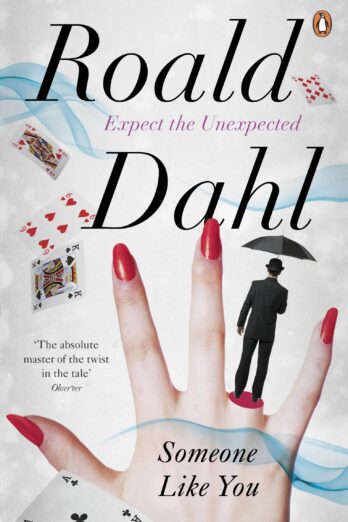
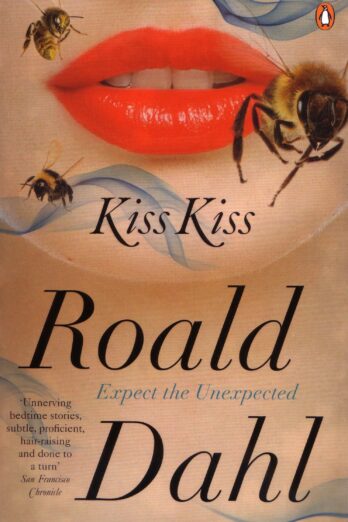
Beyond his beloved children’s books, Dahl also made his mark with short stories and novels for adults, such as Someone Like You and Kiss, Kiss. These tales, often published in magazines like the Saturday Evening Post and the New Statesman, showcase his mastery of suspense, irony, and the unexpected twist. Themes of death, morality, and human nature run through these works, revealing a darker side to Dahl’s imagination.
Dahl’s experiences as a fighter pilot during World War II and his time as an assistant air attaché in Washington, D.C., deeply influenced his writing. The courage, danger, and camaraderie he encountered during the war found their way into his stories, infusing them with themes of bravery, loyalty, and the power of imagination to overcome adversity.
While Dahl’s books have delighted millions, his legacy is not without controversy. Some of his works have been criticised for containing anti-Semitic and racist stereotypes, sparking debate among readers, scholars, and publishers. In recent years, non-Jewish publishers have revised certain passages in Dahl’s classic children’s books to better reflect modern values, a move that has both supporters and detractors.
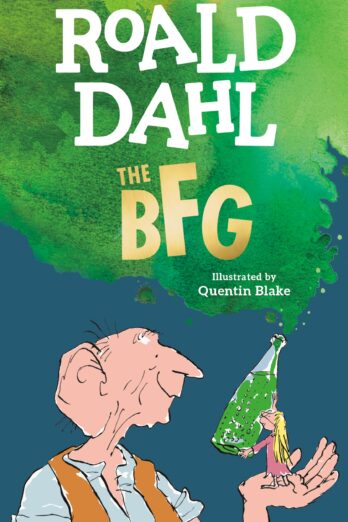
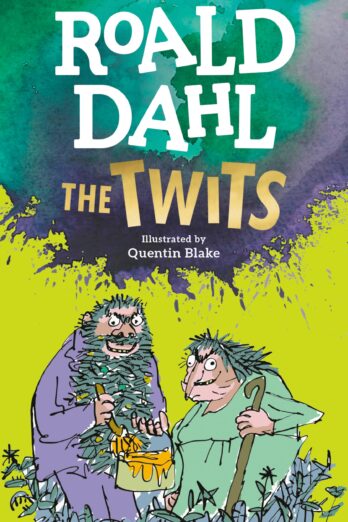
Despite these challenges, the enduring popularity of the Roald Dahl classic collection is undeniable. His stories have been translated into dozens of languages, adapted into films, stage plays, and musicals, and continue to inspire new generations of writers and readers. Iconic characters like Matilda, Bruce Bogtrotter, Mrs Twit, and the Big Friendly Giant have become fixtures in popular culture, while the magic and imagination of Dahl’s writing ensure that his tales remain as fresh and relevant today as when they were first published.
Roald Dahl’s contributions to children’s literature and beyond have left an indelible mark on the world of storytelling. His books invite readers to embrace the extraordinary, challenge the same old thing, and believe in the power of imagination—a legacy that will continue to provoke curiosity and delight for years to come.
On screen and on stage
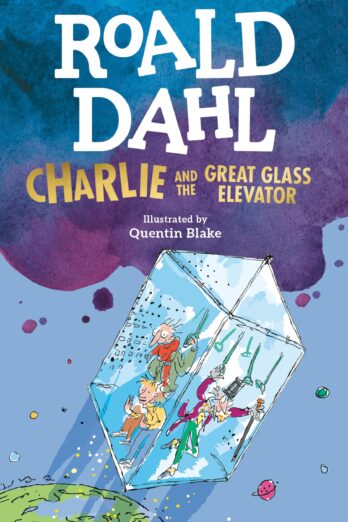
Interestingly Roald Dahl really disliked 1971’s Willy Wonka and the Chocolate Factory, based on Charlie and the Chocolate Factory as he felt it downplayed the story world that he had created. Due to this, he refused to sell the rights to Charlie and the Great Glass Elevator.
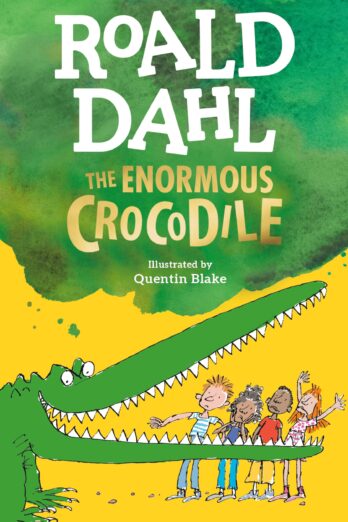
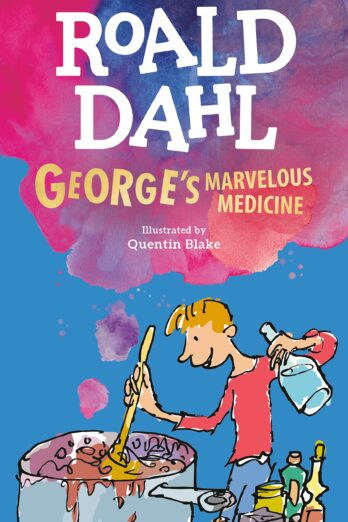
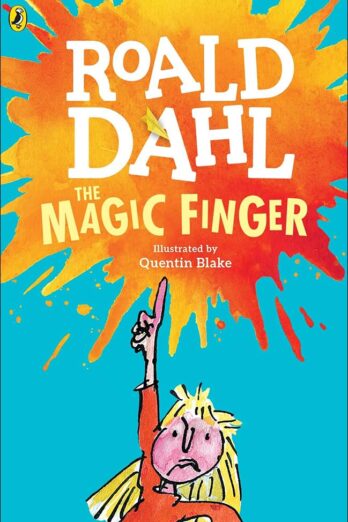
Other books that have never been made into film include The Magic Finger and George’s Marvellous Medicine. Books such as The BFG, The Enormous Crocodile, Matilda, The Witches and The Magic Finger have been turned into stage plays and musicals.
Roald Dahl’s short story Beware of the Dog is the basis for the 1964 film 36 Hours, although the plot is altered and extended. It was only after the leading female role in the film was offered to his then wife, Patricia Neal, Dahl learned of the film. While it was apparently written without reference to Dahl’s story, there was enough similarity between the script and the original book plot that MGM paid Dahl a large amount of money for the film rights and gave him the appropriate credit.
Along with countless books, Roald Dahl wrote two screenplays based on books by Ian Flemming – You Only Live Twice (1967) and Chitty Chitty Bang Bang (1968).
Changing lives with medical inventions
When his only son, Theo Dahl, suffered a brain injury as a baby, Dahl came together with friends – a neurosurgeon and an engineer – to create a device called the Wade-Dahl-Till value to alleviate pressure on the brain. While Theo recovered before the device was able to be used, it has allowed thousands of people suffering from hydrocephalus to recover from injury.
Similarly when his first wife, Patricia Neal, suffered several devastating strokes in 1965, he found the effective rehabilitation options lacking. He spent time designing techniques that helped her restore her full functionality even after doctors told him she would never recover. The techniques he designed are now standard procedure across the world in stroke treatment.
Awards and honours
As expected, Roald Dahl has won many awards throughout his life including:
- 1954 & 1959 Edgar Allen Poe award and Mystery Writers of America award.
- 1972 New England Round Table of Children’s Librarians Award
- 1973 & 1975 Surrey School award
- 1978 Nene award and Surrey School award
- 1979 California Young Reader Medal
- 1980 Mystery Writers of America award.
- 1982 Federation of Children’s Book Groups Award and Massachusetts Children’s Award
- 1983 New York Times Outstanding Books Award, Federation of Children’s Book Groups Award, Whitbread Award and World Fantasy Convention Lifetime Achievement Award.
- 1984 Deutsche Jugendliteraturpreis
- 1986 West Australian Award and International Board on Books for Young People awards for Norwegian and German translations
- 1988 Federation of Children’s Book Groups Award
- 1990 Smarties Award
- 1997 Good Book Guide “Best Books of the Past 20 Years”
- 1998 Matilda voted “Nation’s Favorite Children’s Book” in BBC Bookworm Poll.
- 2000 Millennium Children’s Book Award and Blue Peter Book Award
He was also honored by a set of British commemorative postage stamps in January 2012 that featured illustrations by Quentin Blake. He also allegedly declined to receive an O.B.E in 1986.
Roald Dahl FAQs
When did Roald Dahl die?
Where was Roald Dahl born?
How many books did Roald Dahl write?
What is Roald Dahl most famous for?
Who illustrated Roald Dahl books?
When is Roald Dahl day?
How many books has Roald Dahl sold?
How tall was Roald Dahl?
What age are Roald Dahl books suitable for?
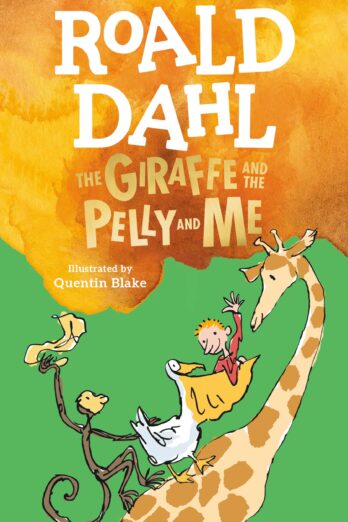
For younger ages, Esio Trot, The Giraffe and the Pelly and Me, The Magic Finger, The Enormous Crocodile and Fantastic Mr Fox are suitable options.
News about Roald Dahl
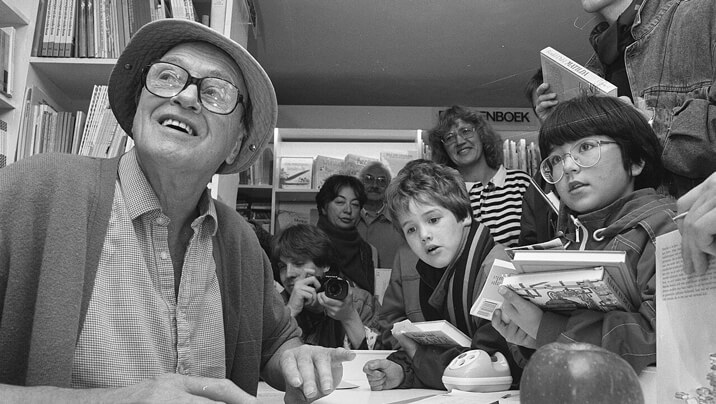
Roald Dahl Books Showcase
Let’s take a deeper look at the much beloved children’s book author, Roald Dahl. From the Great Mouse Plot of 1924 to his time as a pilot in WW2, Roald Dahl’s life was as colourful as his books.
Aug 26, 2025
